


Resource Hub
Canada’s sector at a glance
A quick snapshot of the world you work in — every number links back to its original source.
of children aged 0–5 in Canada were in some form of child care in 2025.
Source: Statistics Canada
of school-age children (6–12) were in child care during the school year in early 2025 — rising to 61% in the summer of 2024.
early childhood educators and assistants were working across Canada in 2025 — and employment grew 2.6% that year, outpacing the economy overall.
Source: ESDC, Canada-wide ELCC progress
new licensed child care spaces created so far under the Canada-wide agreements — toward a commitment of more than 250,000.
Source: ESDC, Canada-wide ELCC progress
Early Childhood Education Report — ecereport.ca
Produced by the Atkinson Centre at OISE, University of Toronto, the ECE Report benchmarks every province and territory’s early childhood education policy — governance, funding, access, quality in the learning environment and accountability — on a 15-point scale, updated every three years. It is one of the clearest ways to see how your province is doing and where advocacy can make a difference.
See your province’s profile See the latest edition at ecereport.ca
Identify your pedagogy
Every educator carries a philosophy — most have simply never been handed the words for it. This guided reflection helps you find yours.
A GUIDED REFLECTION · ABOUT 3 MINUTES
What do you believe about children?
Tell us, in your own words, what quality care and learning look like in your practice — and we’ll hand you back a personalized educator pedagogy statement, matched to your province’s curriculum framework, with resources and professional learning chosen for the educator you already are. No sign-up, no wrong answers.
Private by design: your words never leave this page — nothing is saved, sent, or tracked.
Your image of the child and educator
Every educator carries an inner image of the child, and of themselves, that quietly shapes practice. This is a warm, private reflection, about three minutes, that mirrors your own beliefs back to you. A reflection, never a test. Nothing is saved or sent.
A GUIDED REFLECTION · ABOUT 3 MINUTES
What is your image of the child, and of yourself?
Ten quick choices, no wrong answers, and we will hand your beliefs back to you as two warm paragraphs: your image of the child, and your image of the educator you already are.
Private by design: your answers never leave this page, nothing is saved, sent, or tracked.
Featured voices
Researchers and educators whose work is shaping conversations about play, learning and the ECE profession in Canada — independent voices we admire and gather here so they’re easy to find.
 Dr. Ozlem CankayaPlay & early math researcher, MacEwan University
 Martha FriendlyFounder, Childcare Resource & Research Unit
 Dr. Jody CarringtonPsychologist & author, Kids These Days
 Dr. Jean ClintonChild psychiatrist, McMaster University
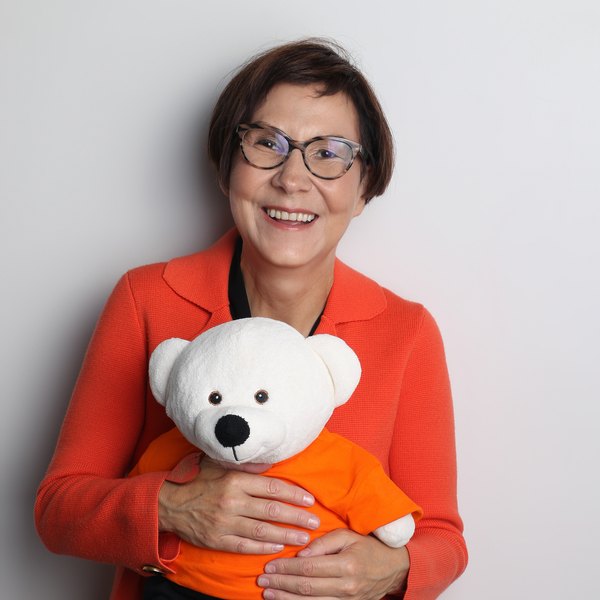 Dr. Cindy BlackstockFirst Nations Child & Family Caring Society
 Dr. Deborah MacNamaraDevelopmental science — Neufeld Institute
 Dr. Peter GrayPlay researcher — Play Makes Us Human
 Dr. Beverlie DietzeOutdoor play researcher — Play Outdoors Magazine
 Dr. Emis AkbariAtkinson Centre — Early Childhood Education Report
 Don GiesbrechtCEO, Canadian Child Care Federation
 Morna BallantyneExecutive Director, Child Care Now
 The Intentional ECEPodcast — intentional teaching with Cathy Belgrave
 The Forgotten ECEPodcast — school-age & ECE voices
 The Everything ECE PodcastPodcast with educator Carla Ward
 Tyler J. SummersFounder, Nurturing Play
 School-age care: the missing middleCCCF article by Cody Topp
 Knowledge Is Not EnoughArticle by Elizabeth Grove — neuroscience & educator decisions
 EdutopiaYouTube channel — evidence-based teaching strategies
 Center on the Developing ChildYouTube channel — Harvard early childhood science
 ZERO TO THREEYouTube channel — infant & toddler development
 Karen Foster-JorgensenChildCareDirector.com — child care business strategy
 Tina GeersInspired Minds ECC Consulting
 Erika PetrelliThe Leadership Program
 Christina PicklesGet Outside and Play
 The Pedagogy PalaceAngela Hines — pedagogy, SEL & behavioral health resources
Protectors of Play™ Professional Learning Journal
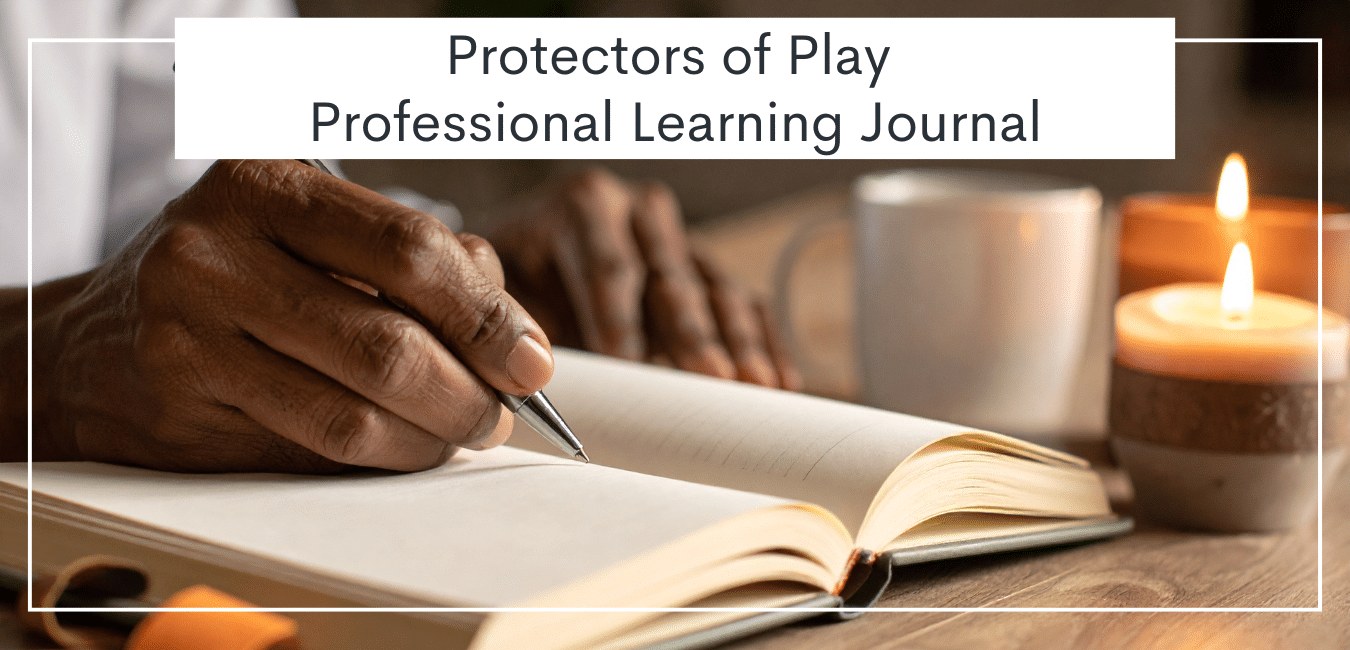
Created by Tina Geers of Inspired Minds ECC Consulting, this free journal invites educators to slow down, reflect and make their thinking visible — supporting reflective practice, pedagogical documentation and deeper thinking about children’s experiences, high-quality practices and the early learning frameworks that guide them. It’s a living document you return to again and again as your practice grows, and it comes with printable reflection templates ready to use on your own or with your team.

Podcasts for educators
Professional listening for the commute, the staff room or planning time — Canadian shows first. Every show is made by independent creators; we simply bring the ones we love together in one place.
 The Forgotten ECEListen on Spotify →
 The Preschool PodcastListen on Spotify →
 The Everything ECE PodcastListen on Spotify →
 The Intentional ECEListen on Spotify →
 That Early Childhood NerdVisit the show →
 Teacher Tom’s PodcastListen on Apple Podcasts →
 Loose Parts Nature PlayVisit the show →
 The Inspiring ECE PodcastListen on Spotify →
 ECEBC PodcastVisit the show →
 The Curious Educator ConversationsListen on Spotify →
 Bright Beginnings — Insights into Early Childhood EducationListen on Spotify →
Are you part of your province’s ECE association?
If you haven’t joined one yet, it’s worth a look. Professional associations give early childhood educators a shared voice — in the media, at policy tables and in your own community — and belonging to one is a quiet way of saying that this work is a profession. Most offer professional learning, conferences and newsletters, along with a network of colleagues who understand your days. They’re also one of the easiest ways to stay current on the research and standards shaping our sector. Open your region below and find the association that fits you.


Browse every region
Canada’s national ELCC organization, with publications, PL and practice resources.
National advocacy association campaigning for a universal, high-quality child care system.
Canadian Association for Young Children, a national association dedicated to the education and well-being of children from birth to age nine.
National organization standing with First Nations children, youth and families, known for Jordan’s Principle advocacy and reconciliation-based education resources.
Professional association for BC early childhood educators, offering PL, bursaries and the ECEBC Leadership Initiative.
School Age Child Care Association of BC, supporting school-age programs and educators.
BC Aboriginal Child Care Society, advancing Indigenous ELCC through training and resources.
Westcoast Child Care Resource Centre, a Vancouver hub offering professional learning, referrals and one of BC’s largest early-years resource libraries.
Association of Early Childhood Educators of Alberta, the professional association for Alberta ECEs.
Alberta Resource Centre for Quality Enhancement, delivering coaching, training and pedagogical supports.
School Age Care Directors Association, a community of practice for Alberta school-age leaders.
Edmonton-based council (formerly the ECELC) advocating for affordable, accessible, high-quality early learning and child care through research and policy publications.
Educator community exploring Reggio Emilia-inspired practice across Alberta.
Alberta Family Child Care Association, supporting family day home educators and agencies.
Edmonton society (formerly GRIT) supporting inclusive early learning so children with disabilities can participate fully at home, in school and in community.
Provincial network hosted by the Canadian Child Care Federation, bringing Alberta child care leaders together for system-level conversation and policy thinking.
Child Care Directors Association of Southern Alberta, a regional network of child care directors sharing ideas and supporting best practice in early learning leadership.
Child Care Association for Resources to Administrators, supporting Edmonton-area ELCC administrators with resources, connection and bold leadership.
Alberta non-profit turning research, data and evaluation into better policy and practice for children, youth and families.
Research centre connecting the University of Alberta with community partners to advance the well-being of children, youth and families.
Edmonton-based charitable foundation with a long-standing commitment to early childhood education and care.
Social enterprise creating immersive learning experiences for early childhood educators and other human-centred professionals across Alberta.
West Edmonton family resource hub partnering with parents to support children’s healthy development and family wellness.
One of Canada’s largest non-profit child care providers, operating early learning and out-of-school care programs across northern and central Alberta.
Saskatchewan Early Childhood Association, offering PL, events and member supports across the province.
Provincial network hosted by the Canadian Child Care Federation, bringing Saskatchewan child care leaders together to advance the planning, funding and delivery of early learning and child care.
Manitoba Child Care Association, host of major conferences including its annual directors’ events.
Association of Early Childhood Educators Ontario, the professional association advocating for RECEs.
Ontario’s professional regulator for RECEs, with practice guidelines and CPL resources.
Association francophone à l’éducation des services à l’enfance de l’Ontario, the provincial voice for francophone early childhood education.
Ottawa-based multi-service early learning and child care organization serving families since 1911.
Province-wide advocacy coalition working toward a universal, high-quality child care system.
Association d’éducation préscolaire du Québec, dedicated to preschool education and kindergarten.
Association representing Quebec’s early childhood educators and their professional interests.
Regroupement des CPE de la Montérégie, Quebec’s longest-standing CPE association, supporting quality educational child care since 1974.
Early Childhood Care and Education New Brunswick, the bilingual professional association for NB educators.
Early Childhood Development Association of PEI, supporting Island educators and programs.
Nova Scotia College of Early Childhood Education, a Halifax non-profit college training early childhood educators with an on-site sector resource centre.
Curriculum frameworks by province
Every province grounds its early learning practice in a curriculum framework. Find yours, or explore how other provinces think about children, play and pedagogy.
Educator Toolbox
Hand-picked resource collections for everyday practice — behaviour supports, inclusive and diverse needs, social emotional learning, calming strategies, trauma-informed care, S.T.E.M., physical literacy, project based learning, arts & expression, tweens, nature play and loose parts — plus four new collections drawn from the themes Canadian conference stages keep returning to: educator wellbeing & resilience, attachment & relationships, truth & reconciliation in early learning, and advocacy & policy literacy.
Behaviour Supports
- British Columbia Recreation & Parks Association
- Alberta Council of Disabilities Services
- Crisis & Trauma Resource Institute
- NAEYC
- Introduction to autism awareness and support
- The importance of play
- Attachment disorders
- Hyperactivity disorder in children
- Self regulation
- Executive functions
- Brain development and growth
- Oppositional defiant disorder
- Morals and personality
- Autism spectrum disorder
- ADHD in child development
- Basics of child development and wellbeing
- The psychology of lying
- Identifying types of child abuse learning outcomes
- Anger management
- Cognitive development in early childhood
- Child development with a whole brain approach
- Conduct disorder
- Critical thinking
- More behaviour & guidance resources
- National Center for Pyramid Model Innovations — Pyramid Model practices for social-emotional competence and challenging behaviour.
- Science of Early Child Development — Canadian multimedia resource translating research into everyday practice.
- Conscious Discipline Free Resources — Adult-first strategies for connection, composure and guidance.
- Encyclopedia on ECD: Aggression — Research summaries on aggressive behaviour in young children.
- Devereux Center for Resilient Children — Strength-based tools for building resilience from infancy.
- ZERO TO THREE: Infant & Early Childhood Mental Health — Warm, practical guidance on behaviour and big feelings from birth to three.
- Children’s Mental Health Ontario — Ontario’s child and youth mental health centres, with family-friendly resources.
- Restorative Practices
- IIRP Canada: Resources — Canadian implementation guides and circle tools, including resources honouring Indigenous ways.
- Restorative Practice Resource Project (Ontario) — A free, shareable collection of tools and successful practices for restorative schools (PDF).
- Edutopia: Restorative Practices in Preschool — Gentle ways to weave restorative conversations into everyday preschool moments.
- Edutopia: Building Community With Restorative Circles — Simple circle routines that help a classroom feel like a caring community.
- Building Bright Futures: Restorative Practices in Early Education — An educator conversation about short, welcoming circles with preschoolers.
- brightwheel: Restorative Practices in the Early Childhood Classroom — A friendly starter guide to repairing and strengthening relationships with young children.
- My Teaching Cupboard: The Peace Table — Setting up a Montessori-inspired peace table for calm, child-led conflict resolution.
- Restorative Justice Council (UK): Restorative Practice in Education — The UK council’s overview of restorative approaches that build belonging in education settings.
Inclusive & Diverse Needs
- ADHD & executive function
- Foothills Academy — Calgary-based ADHD and learning-disability PL for professionals.
- CHADD Continuing Education — ADHD courses and webinars from the US national ADHD organization.
- CHADD for Educators — Classroom-focused ADHD guidance and teacher toolkits.
- Dr. Russell Barkley: Essential Ideas (video) — A classic, compassionate talk on what ADHD really is.
- CanLearn Society — Calgary learning organization with ADHD resources for professionals.
- CADDAC — Canadian ADHD advocacy centre offering webinars and events.
- CDC: ADHD in Kids — Plain-language ADHD basics for families and educators.
- Encyclopedia on Early Childhood Development — Research summaries on hyperactivity and inattention in the early years.
- Alison: Induction to ADHD Awareness — Free self-paced introduction to ADHD.
- Alison: ADHD in Child Development — Free course on how ADHD shapes child development.
- Autism
- AIDE Canada — National autism and intellectual disability knowledge hub with free toolkits and courses.
- Autism Canada — Canada-wide information, resources and gentle support across the lifespan.
- POPARD — BC’s Provincial Outreach Program for Autism, with training built for education staff.
- FASD
- CanFASD — Canada’s national FASD research network, with plain-language issue papers.
- CanFASD Online Learning — Free and low-cost FASD courses, including options for educators.
- Saskatchewan FASD Network — Practical FASD supports, training and family programming.
- Sensory processing
- STAR Institute — Sensory health education, research and free starter resources.
- AboutKidsHealth (SickKids) — Trusted Canadian child-health library covering sensory and developmental topics.
- Speech & language
- The Hanen Centre — Toronto-based programs that help adults grow children’s language in everyday moments.
- Speech-Language & Audiology Canada — National association with resources on communication development.
- First Words — Ottawa preschool speech and language program with helpful milestone checkers.
- Physical accessibility & inclusion
- CanChild (McMaster University) — World-renowned childhood disability research centre with free educator resources.
- SpeciaLink — Canada’s national centre for early childhood inclusion.
- Kids Included (formerly GRIT) — ASaP — Early learning inclusion support and education for Alberta, home of the ASaP Continuum coaching approach.
- Inclusive Child Care Program (Alberta) — Provincial supports that help licensed programs welcome every child.
- Center for Inclusive Child Care — Free inclusion coaching, courses and podcasts (US).
- Giftedness
- Gifted Children’s Association of BC — Canadian association supporting gifted learners and the adults around them.
- National Association for Gifted Children — US association with rich giftedness resources for educators.
- Davidson Institute — Free guides on understanding and supporting highly gifted learners.
- Universal Design for Learning (UDL)
- UDL Guidelines (CAST) — The core UDL framework — flexible goals, methods and materials from the earliest years.
- CAST — Research and free tools for designing learning that works for everyone.
Social Emotional Learning
- Childhood 101
- Virtual Lab School
- Raising Children Network
- Aussie Childcare Network
- Centre on the Developing Child
- NAEYC
- Child Mind Institute
- Raising Children Network (preschoolers)
- Your Therapy Source
- GreatSchools.org
- Foothills Academy
- CASEL Fundamentals of SEL
- Life Space Crisis Intervention
- More SEL foundations & classroom practice
- CASEL School Guide — Step-by-step guidance for building schoolwide SEL.
- School Mental Health Ontario — Evidence-based mental health and SEL resources for educators.
- Greater Good in Education — Science-based SEL and wellbeing practices from UC Berkeley.
- Edutopia: SEL — Practical classroom strategies, articles and videos.
- Committee for Children — Free SEL classroom activities and family resources.
- HELP (UBC) — The Human Early Learning Partnership’s research on children’s development and wellbeing.
- Strong Minds Strong Kids — Psychology Foundation of Canada programs that build resilience from early childhood.
Calming Strategies
- Calming strategies
- Coping skills for Kids
- Child Mind Institute
- Teaching Expertise
- We are Teachers
- Minds In Bloom
- Mindfulmazing
- Active for Life
- FLIP IT Instead of Flipping Out: You Can Transform Challenging Behavior!
- More calming & self-regulation tools
- The MEHRIT Centre (Self-Reg) — Dr. Stuart Shanker’s Canadian Self-Reg framework, courses and free tools.
- Anxiety Canada — Free, evidence-based anxiety resources, including the MindShift app.
- The Zones of Regulation — A shared language for noticing and managing feelings.
- GoNoodle — Movement and mindfulness videos made for wiggly bodies.
- Cosmic Kids — Story-based yoga and relaxation for young children.
- Smiling Mind — Free mindfulness app with programs suited to early years.
- Sesame Workshop: Emotions — Gentle big-feelings tools featuring familiar friends.
- Mindful.org: Mindfulness for Kids — A practical starter guide to mindfulness with children.
Trauma-Informed Care
- Alberta Children’s Mental Health Learning Series
- Alberta Health Services-Trauma Informed Care
- Crisis & Trauma Resources Institute
- Trauma-Informed Care Implementation Resource Centre
- Government of British Columbia (Trauma-Informed Practice)
- Child Trauma Academy
- The National Child Traumatic Stress Network
- The Association for Psychological Therapies
- Being Trauma Aware (free training)
- The Centre for Healing
- Luna Child and Youth Advocacy Centre
- More trauma-informed learning
- Klinic Trauma-Informed Toolkit — Winnipeg’s widely used, free trauma-informed practice toolkit.
- Alberta Family Wellness Initiative — Home of the free Brain Story certification on brain development and resilience.
- Brain Story Concepts learning cards (AFWI) — Free, ready-to-use cards on Brain Architecture, Serve & Return, Air Traffic Control, Toxic Stress, Resilience and the Reward Dial, now with brain-building activities for babies, children and teens.
- Harvard Center on the Developing Child — The science of toxic stress and the power of buffering relationships.
- SAMHSA: Trauma & Violence — US federal guidance on trauma-informed approaches.
- Edutopia: Trauma-Informed Practices — Classroom-ready strategies and stories from schools.
- National Centre for Truth and Reconciliation — Understanding residential school history and intergenerational trauma with care.
- Imagine Institute for Learning — Free Trauma-Informed Frameworks & Guides
S.T.E.M.
Little scientists are born curious — these collections help you turn everyday wonder into hands-on discovery.
- Canadian favourites
- Let’s Talk Science — Free hands-on STEM activities and educator supports from a national Canadian charity.
- Actua — National STEM outreach for children and youth, with ready-to-use educator activities.
- Science North for Schools — School programs and classroom science from Northern Ontario’s science centre.
- Scientists in School — Classroom and virtual workshops led by scientists and engineers.
- Ingenium Learn — Educational resources from Canada’s museums of science and innovation.
- Science World Resources — Playful science activities from British Columbia’s science centre.
- US standouts
- PhET Interactive Simulations — Free, research-based science and math simulations from the University of Colorado.
- Exploratorium Tinkering Studio — Joyful making and tinkering ideas from San Francisco’s museum of curiosity.
- NASA Kids’ Club — Space games and activities straight from NASA.
- NAEYC on STEM — Thoughtful articles on early STEM teaching and learning.
- Boston Children’s Museum — Learning resources including early STEM guides for educators.
Find related PL: browse STEAM-tagged sessions in the PL Directory
Physical Literacy
Running, balancing, throwing, giggling — physical literacy grows one joyful movement at a time.
- Sport for Life — The Canadian home of long-term development in sport and physical activity.
- PhysicalLiteracy.ca — Definitions, tools and assessment resources for building physical literacy.
- Active for Life — Free movement activities and lesson plans made for early childhood educators.
- ParticipACTION — National programs, tips and report cards for getting kids (and grown-ups) moving.
- PHE Canada — Physical and health education resources for schools and communities.
- Ophea — Ontario resources supporting healthy, active school communities.
- CIRA Ontario — Inclusive games and active-recreation ideas that get every child playing.
- Appetite to Play — BC-built training and practical tools for active play and healthy eating in the early years.
- Canadian 24-Hour Movement Guidelines — Evidence-based guidance on moving, sitting and sleeping for every age.
- SHAPE America — US national standards and resources for health and physical educators.
Find related PL: browse the Programming series in the PL Directory
Project Based Learning
When children chase a big question together, learning becomes deep, personal and joyful.
- The Project Approach — Sylvia Chard’s classic guide to in-depth project work with young children.
- Natural Curiosity — A Canadian resource (OISE, University of Toronto) for inquiry-based environmental learning.
- PBLWorks — Project design resources and examples from the Buck Institute for Education.
- Edutopia: Project-Based Learning — Articles, videos and classroom stories of projects done well.
- HighScope — Active participatory learning rooted in decades of research.
- Harvard Project Zero — Thinking routines that make children’s ideas visible.
- Illinois Early Learning: The Project Approach — Step-by-step guides and real classroom project examples.
- Reggio Children — The Italian home of the Reggio Emilia approach that inspires project work worldwide.
Find related PL: browse Reggio Emilia-tagged sessions in the PL Directory
Arts & Expression
Process over product — these resources celebrate every scribble, song and splash of colour.
- MusiCounts — Canada’s music education charity, helping put instruments into children’s hands.
- National Gallery of Canada: For Schools — Free virtual programs and teacher resources from the national gallery.
- NAEYC on Creative Arts — Articles on nurturing creativity in the early years.
- What Will We Make? (NAEYC) — A warm introduction to process art with preschoolers.
- Crayola Education — Lesson plans and creativity resources for every age.
- Meri Cherry — Process-art invitations that put children’s ideas first.
- TinkerLab — Art and tinkering prompts for curious little makers.
- The Artful Parent — Hundreds of simple, joyful art activities to borrow.
Find related PL: browse Waldorf-tagged sessions in the PL Directory
Tweens
Big kids need big-hearted programming too — research and ideas for the 9-to-12 crowd in school-age care.
- BGC Canada — Canada’s largest child- and youth-serving organization, with programs from coast to coast to coast.
- 4-H Canada — Hands-on, mentorship-based learning for youth across rural and urban Canada.
- HIGH FIVE — Canada’s quality standard for children’s recreation, sport and after-school programs.
- Search Institute — The Developmental Assets and Developmental Relationships frameworks for helping young people thrive.
- Afterschool Alliance — US research, tools and advocacy for quality out-of-school time.
- National Institute on Out-of-School Time — Research and professional tools for afterschool and summer programs.
- Mizzen — A free app filled with quality activities for afterschool programs.
- Boys & Girls Clubs of America — Youth development programs and resources from across the US.
Find related PL: browse Tweens-tagged sessions in the PL Directory
Nature Play
Mud, sticks, snow and sky — the outdoors may be the most generous classroom of all.
- Outdoor Play Canada Resources — A national library of outdoor play resources, research and position statements.
- Child & Nature Alliance of Canada — Connecting children with nature through Forest and Nature School across Canada.
- Forest School Canada — Practitioner learning and the Forest School approach in Canada.
- Take Me Outside — Canadian challenges and resources for learning outside every day.
- NatureKids BC — Helping BC children and families explore nearby nature.
- Evergreen — Canadian ideas for greening school grounds and outdoor learning spaces.
- Children & Nature Network — US research library and toolkits for the children-and-nature movement.
- Natural Start Alliance — A US alliance advancing nature-based early childhood education.
- Outdoor Classroom Day — A global campaign celebrating learning and play outdoors.
Find related PL: browse the Programming series in the PL Directory
Loose Parts Play
A basket of bottle caps can become anything — start with our Loose parts play collection just below, then wander through these fresh finds.
- Play Scotland: Loose Parts Play Toolkit — Practical guidance for bringing loose parts into any setting.
- Playvolution HQ — A deep, free library of loose parts and playwork resources.
- Pop-Up Adventure Play — Playwork-inspired ideas for child-led play with everyday materials.
- Anji Play — True play with large, open-ended materials, shared by the US home of the Anji approach.
- Rocking and Rolling (NAEYC) — Using found materials and loose parts to enrich toddler environments.
- Ask Hello: Loose Parts in Dramatic Play (NAEYC) — Educators share how loose parts liven up dramatic play and kitchen centres.
- Better Kid Care (Penn State) — Free on-demand modules on play, environments and materials.
Find related PL: browse Reggio Emilia-tagged sessions in the PL Directory
Educator Wellbeing & Resilience
You can’t pour from an empty cup — it’s the theme Canadian ECE conference stages return to more than any other. These resources are for you, not just your program.
- TEND Academy — Kingston-based experts in compassion fatigue and vicarious trauma, with free resources for helping professionals.
- Workplace Strategies for Mental Health — Free, practical Canadian tools for protecting mental health at work — yours and your team’s.
- CCOHS: Mental Health — Canada’s occupational health and safety centre on workplace wellness and psychological safety.
- Canadian Mental Health Association — Mental health information, programs and local branches in communities across Canada.
- Mental Health Commission of Canada — National mental health strategies, workplace standards and training programs.
- The MEHRIT Centre (Self-Reg) — Dr. Stuart Shanker’s Self-Reg — understanding stress so you can calm yourself before you calm the room.
- Crisis & Trauma Resource Institute — Winnipeg-based CTRI’s free webinars, printables and articles for caring professionals.
- Dr. Jody Carrington — The Alberta psychologist Canadian ECE conferences invite back again and again — connection, burnout and reconnection.
- Canadian Child Care Federation — Canada’s national child care federation — resource sheets and initiatives supporting the people who do this work.
- Greater Good Science Center — Berkeley’s science of a meaningful life — gratitude, awe and resilience research you can actually use.
Find related PL: browse the Health & Safety series in the PL Directory
Attachment & Relationships
Children grow best in the shelter of warm relationships — the developmental science behind so many of the sector’s most-loved keynotes.
- Neufeld Institute — Vancouver home of Dr. Gordon Neufeld’s attachment-based developmental approach, with courses and free resources.
- Dr. Deborah MacNamara — Author of Rest, Play, Grow — making developmental science warm and practical for the early years.
- Dr. Jean Clinton — Beloved Canadian child psychiatrist on why relationships are the active ingredient in every classroom.
- Infant & Early Mental Health Promotion (SickKids) — Infant and early mental health resources and courses from Canada’s leading children’s hospital.
- Alberta Family Wellness Initiative — Home of the free Brain Story Certification — the science of brains built through relationships.
- Circle of Security International — A gentle roadmap for meeting children’s attachment needs, used by caregivers around the world.
- Encyclopedia on ECD: Attachment — Montreal-based research syntheses on attachment in early childhood, written in plain language.
- Harvard: Serve & Return — The classic explainer on how everyday back-and-forth interactions build young brains.
- ZERO TO THREE — Warm US guidance on early relationships and development from birth to three.
Find related PL: browse SEL-tagged sessions in the PL Directory
Truth & Reconciliation in Early Learning
Reconciliation begins in the earliest years. Start with Indigenous-led organizations, listen deeply, and keep learning alongside the children in your care.
- First Nations Child & Family Caring Society — Dr. Cindy Blackstock’s organization — the heart of child-focused reconciliation in Canada.
- Spirit Bear — Spirit Bear’s books, films and free learning guides bring reconciliation to child height.
- Jordan’s Principle — Making sure First Nations children get the products, services and supports they need, when they need them.
- National Centre for Truth and Reconciliation — The NCTR’s education resources, including materials created for young learners.
- BC Aboriginal Child Care Society — Indigenous-led training, resources and research for early years programs, rooted in BC since 1996.
- First Nations Education Steering Committee — First Nations-led education organization and home of the Learning First Peoples classroom resources.
- Native Land Digital — An Indigenous-led map for learning whose territory you live, work and play on.
- Orange Shirt Society — Phyllis Webstad’s story and Every Child Matters — resources straight from the source.
- 4 Seasons of Reconciliation — Multimedia reconciliation education created in collaboration with First Nations University of Canada.
- Indigenous Canada (University of Alberta) — A free 12-module course from the Faculty of Native Studies exploring Indigenous histories and contemporary issues.
- Indigenous ELCC Framework — The framework co-developed with Indigenous partners to guide Indigenous early learning and child care across Canada.
- Natural Curiosity — Land-based environmental inquiry with an Indigenous lens, from OISE’s lab school.
- Strong Nations — An Indigenous-owned publisher and bookstore — fill your shelves with authentic voices.
- Monique Gray Smith — Award-winning author of Cree, Lakota and Scottish heritage whose picture books open loving, honest conversations.
Find related PL: browse Indigenous-tagged sessions in the PL Directory
Advocacy & Policy Literacy
Understanding how child care policy works — and how to speak up for the sector — is professional practice too.
- CCCF: A Vision for Child Care in Canada (2024) (PDF). The federation’s renewed national vision, with educators at the centre of quality and every child free to flourish.
- Child Care Now — Canada’s national child care advocacy association — campaigns, briefs and ways to get involved.
- Childcare Resource and Research Unit — The country’s deepest library of child care policy, research and news, updated constantly.
- Canadian Centre for Policy Alternatives — Independent research on child care fees, workforce wages and public policy.
- Atkinson Centre (OISE) — Early years policy research and commentary from the University of Toronto.
- Early Childhood Education Report — How provinces and territories compare on early learning — in one readable report card.
- $10aDay Child Care Campaign — The BC community plan that helped reshape the national conversation on affordable child care.
- Muttart Foundation — An Alberta foundation publishing thoughtful papers on early learning and care.
- Campaign 2000 — A cross-Canada coalition tracking child and family poverty — and what it would take to end it.
- First Call Child & Youth Advocacy Society — BC’s coalition for young people and families, with practical advocacy resources.
- UNICEF Canada — Global report cards on child wellbeing that put Canada’s progress in perspective.
Find related PL: browse the Leadership series in the PL Directory
Educator Toolbox

Pick a tab to pull a card from the box
Loose parts play
Buttons, pinecones, spools, shells, fabric scraps — loose parts are open-ended materials that children can move, combine, take apart and reinvent endlessly. The idea was named by architect Simon Nicholson in 1971, and it remains one of the simplest, most affordable ways to spark deep, creative play in any program. Start with a basket of interesting somethings and watch what happens.
Loose Parts Play Toolkit
Outdoor Play Canada’s free toolkit pairs the theory of loose parts with practical guidance for inclusive, all-weather, imagination-rich outdoor play.
The thinking behind the materials
Community Playthings’ classic articles unpack why loose parts matter: Loose Parts: Inspiring Play in Young Children and The Learning in Loose Parts. For a home-and-program view, the Child Care Providers Resource Network keeps a lovely loose parts play primer.
Books, a podcast and a printable
The beloved Loose Parts book series by Lisa Daly & Miriam Beloglovsky (volumes 1–4) lives on our Book Club shelf, the Loose Parts Nature Play podcast is in our listening list above, and Inspiring Scotland’s Loose Parts Play Toolkit (PDF) is a printable classic.
Researcher spotlight
Meet the researchers whose work is shaping play, policy and early learning in Canada. A different pair takes the stage each week — or use the arrows and dots below to meet them all.
Dr. Ozlem Cankaya
MacEwan University — early childhood curriculum studies
Associate professor of early childhood curriculum studies at MacEwan University in Edmonton, Dr. Cankaya researches play-based early math learning and how everyday objects spark young children’s STEM thinking. Her writing for The Conversation turns that research into warm, practical reading for educators and families.
Dr. Beverlie Dietze
Okanagan College — Director of Learning and Applied Research
One of Canada’s leading voices on children’s outdoor play, Dr. Dietze leads research on outdoor play training and space design and has authored several early learning textbooks. She also publishes Play Outdoors Magazine, sharing that research generously with educators across the country.
- Play Outdoors Magazine — her free magazine celebrating children’s outdoor play
- Advancing Outdoor Play and Early Childhood Education (PDF) — a discussion paper on outdoor pedagogy in ECE

Gordon Cleveland
University of Toronto Scarborough — child care policy economist
Economist Gordon Cleveland has spent his career asking how Canada can make high-quality child care affordable for every family. His research on child care funding, fees and delivery models is a touchstone for policy-makers, and he shares it in plain language on his site, childcarepolicy.net.
- Affordable for All: Making Licensed Child Care Affordable in Ontario — the landmark affordability report he co-authored
- FAQ: What’s wrong with for-profit child care? — a clear explainer on delivery models

Dr. Gale Gorke
Kids Kan Inc. — founder and executive director
Dr. Gorke is an educator and program developer who spent nearly four decades in public education before founding Kids Kan Inc., which supports out-of-school-time programs with curriculum design, staff development and inclusive programming. Her doctoral research explored academic intervention in afterschool programs, and she helped author California’s guidelines for inclusion and physical activity in afterschool settings.
- About Dr. Gale Gorke — her background and approach
- Special Needs and Inclusion of Diverse Abilities — a recorded session for program leaders
Dr. Cindy Blackstock
McGill University School of Social Work & First Nations Child and Family Caring Society
A member of the Gitxsan First Nation, Dr. Blackstock is a professor at McGill University’s School of Social Work and executive director of the First Nations Child & Family Caring Society. Her research and advocacy for First Nations children — including the human rights case on equitable child and family services and Jordan’s Principle — have reshaped what fairness for children looks like in Canada.
- Spirit Bear books and learning resources — reconciliation learning for children and educators
- Jordan’s Principle — making sure First Nations children can access the services they need
Dr. Emis Akbari
George Brown College & Atkinson Centre, OISE/University of Toronto
Professor and program coordinator in the School of Early Childhood at George Brown College and executive director of the Atkinson Centre at OISE/University of Toronto, Dr. Akbari studies how policy decisions shape young children’s development and the educators who care for them. As co-author of the Early Childhood Education Report, she helps educators and families see clearly how each province’s early education system is doing.
ECE Post-Secondary Providers Across Canada
Thinking about a certificate, diploma or degree? Open the list below for public colleges, universities, cégeps and institutes in every province and territory.
ECE Post-Secondary Providers Across Canada
A deep list of public colleges, universities, cégeps and institutes offering ECE certificates, diplomas and degrees in every province and territory. Looking for workshops, webinars and shorter PL instead? Visit the PL Directory.
- British Columbia
- Capilano University — Early Childhood Care & Education Diploma, North Vancouver and Squamish.
- Douglas College — ECE Diploma with a fully online option.
- Camosun College — Early Learning & Care Diploma in Victoria.
- Langara College — ECE certificate and diploma pathways in Vancouver.
- Vancouver Island University — ECEC Diploma with online delivery and local practicums.
- Alberta
- Portage College — Early Learning & Child Care Certificate
- Red Deer Polytechnic — ECE Leadership Development Certificate
- Columbia College — Child Care Assistant program
- NorthWestern Polytechnic — ELCC certificate & diploma pathways
- Lakeland College — ELCC certificate & diploma pathways
- Lethbridge College — ELCC certificate & diploma pathways
- Medicine Hat College — ELCC certificate & diploma pathways
- MaKami College — ELCC certificate pathways
- MacEwan University — Bachelor of Early Childhood Curriculum Studies with an ELCC diploma exit.
- Bow Valley College — ECE & Development Diploma in Calgary, with flexible delivery.
- NorQuest College — Early Learning & Child Care certificate and diploma in Edmonton.
- Saskatchewan
- Saskatchewan Polytechnic — ECE certificate and diploma, on campus and online.
- Suncrest College — ECE diploma serving east-central Saskatchewan communities.
- Southeast College — ECE training close to home in southeast Saskatchewan.
- Manitoba
- RRC Polytech — ECE diploma with workplace and campus-based routes in Winnipeg.
- Assiniboine College — ECE diploma offered in Brandon and rural sites.
- Université de Saint-Boniface — Éducation de la jeune enfance, en français.
- University College of the North — ECE programming for northern Manitoba communities.
- Ontario
- George Brown College — ECE Diploma (C100) with lab school placements in Toronto.
- Seneca Polytechnic — ECE Diploma with flexible and accelerated options.
- Humber Polytechnic — ECE Diploma with 500+ hours of field experience.
- Conestoga College — ECE Diploma across several Ontario campuses.
- Algonquin College — ECE Diploma in Ottawa and Pembroke.
- Centennial College — ECE Diploma in Toronto with strong field partnerships.
- Sheridan College — ECE Diploma in the Greater Toronto Area.
- Quebec
- Vanier College — Early Childhood Education DEC with an on-campus lab nursery (English).
- CÉGEP Heritage College — ECE program in Gatineau (English).
- Cégep Marie-Victorin — Techniques d’éducation à l’enfance, Montréal (français).
- UQAM — University certificates in early childhood education (français).
- Nova Scotia
- NSCC — ECE Diploma, including Mi’kmaw and Africentric offerings.
- Mount Saint Vincent University — BA in Child & Youth Study, Atlantic Canada’s university-level pathway.
- NS College of Early Childhood Education — Halifax-based college dedicated entirely to ECE.
- New Brunswick
- NBCC — ECE program with Living Classroom experiential learning (English).
- CCNB — Éducation à l’enfance, en français.
- UNB — Online Bachelor of Education in Early Childhood Education, for educators who already hold a two-year ECE diploma.
- Prince Edward Island
- Holland College — Early Childhood Care & Education diploma in Charlottetown.
- Collège de l’Île — Éducateur·trice de la petite enfance, en français.
- Newfoundland & Labrador
- College of the North Atlantic — ECE diploma at campuses across the province.
- Keyin College — ECE diploma with flexible delivery.
- Academy Canada — One-year ECE program in St. John’s and Corner Brook.
- Yukon
- Yukon University — Early Learning & Child Care certificate and diploma in Whitehorse and by distance.
- Northwest Territories
- Aurora College — Early Learning & Child Care program delivered in NWT communities.
- Nunavut
- Nunavut Arctic College — ECE certificate and diploma pathways rooted in Inuit societal values.
Looking for more post-secondary options? Bow Valley College, NorQuest College, Mount Royal University and more are already listed in our Professional Learning Directory.
Keep exploring
The Resource Hub pairs with our living directory of PL events, funding guides and sector news.
Resources curated by ELCC & Community Development. Know a great association, podcast or tool that belongs here? Suggest a resource.